What you can safely handle yourself
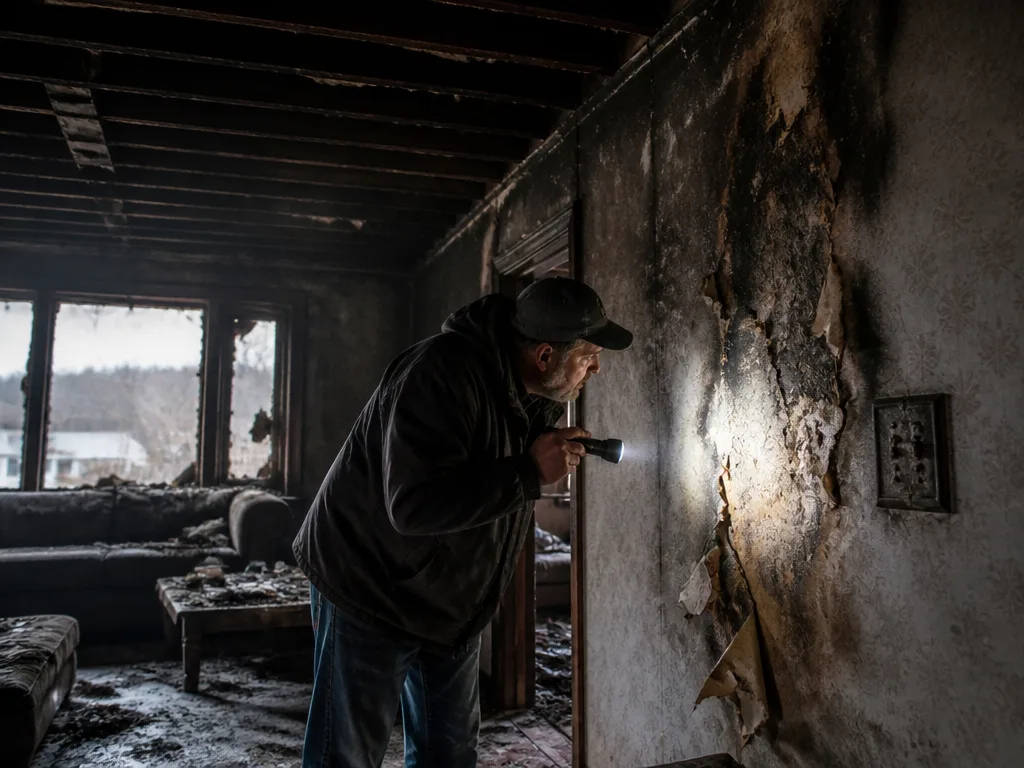
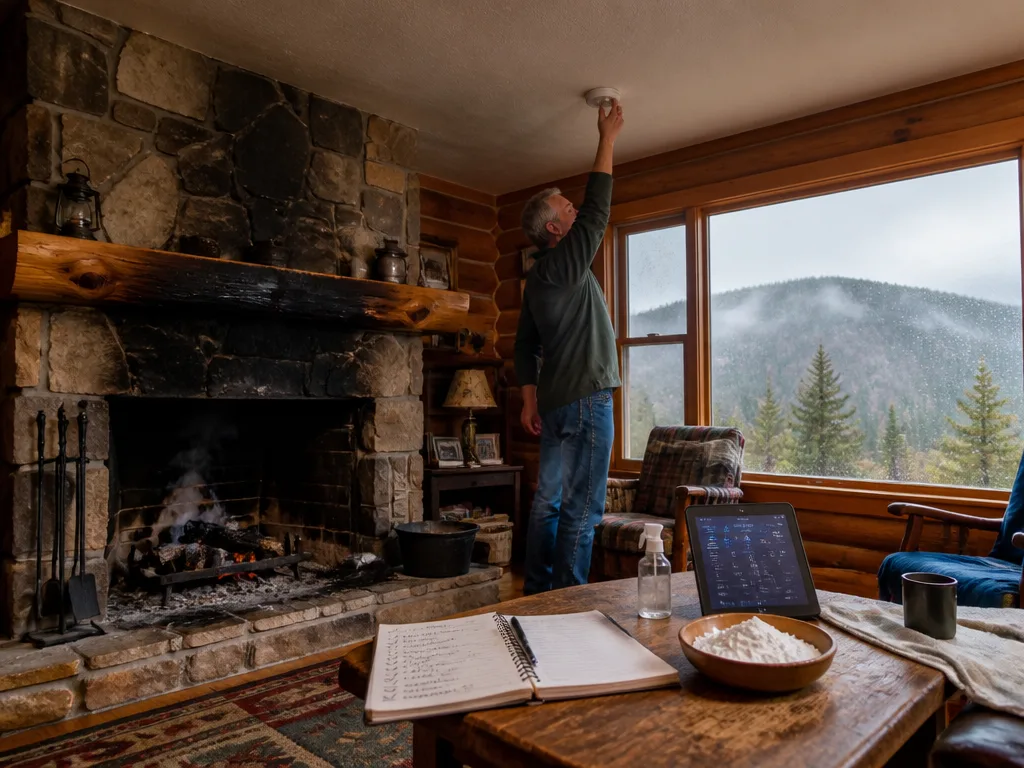
Immediate safety comes first. If you have smoke residues on reachable surfaces and the area is structurally sound, you can start by ventilating the space, opening windows if weather allows, and removing loose debris carefully. Use a mask with good filtration and wear gloves. Document conditions with notes and photos for any follow up with a fire & smoke damage specialist. In West Virginia, weather can shift quickly, so plan for a window where the conditions stay dry and mild.
Cleaning non-porous surfaces like glass or metal is straightforward. A mild detergent and a damp cloth can remove surface soot from fixtures that won’t be damaged by moisture. Avoid aggressive cleaners on porous materials. Do not scrub wood or painted surfaces aggressively; you can push soot deeper into the grain and complicate later remediation.
Ventilation is helpful, but it isn’t a cure. Opening doors and windows can spread odors to other parts of the home if not balanced with airflow control. If you feel unsure at any point, pause and call a fire & smoke damage specialist for guidance tailored to your West Virginia home.
When to call a pro
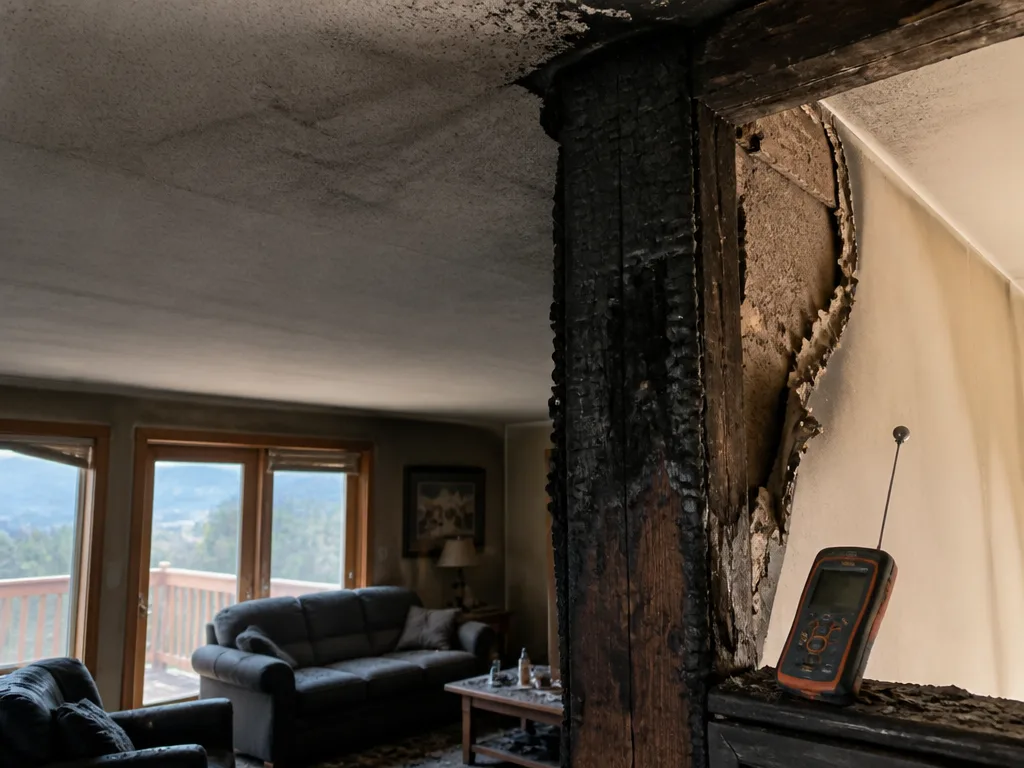
If you notice persistent smoke odors, hidden soot on porous materials, or staining after a clean, it’s time to involve a professional. Porous surfaces like drywall, carpeting, and fabric often trap smoke compounds that can continue to off-gas. Professionals have tools to assess air quality and identify residues that aren’t visible to the naked eye. In West Virginia, the weather can influence how residues behave, especially in basements or crawl spaces with limited ventilation.
A pro can provide a clear scope of work, including containment to prevent cross-contamination, targeted residue removal, and guidance on restoration options. They can also help you coordinate with insurance if applicable, keeping the process transparent and straightforward. Our team at West Virginia Roof Tarping will walk you through the steps and explain what to expect in plain language.
Decision checklist
- Persistent odors after cleaning efforts
- Visible soot on porous materials
- Water intrusion or moisture concerns related to firefighting
- Uncertain safety of electrical or structural elements
Bottom line: start with safe, simple steps, but don’t delay professional input when signs point to deeper damage. In West Virginia, a balanced approach keeps the restoration on track and protects your home from long term issues.