Winter and early spring readiness
Cold months bring home heating as a major risk factor. If you use space heaters or wood stoves, keep them well ventilated and away from combustibles. Inspect chimneys and vents and schedule a professional check to prevent buildup that can cause smoke damage. In West Virginia, storms can push humidity up, so ensure insulation is intact to minimize condensation that can worsen residue-related problems after a fire event.
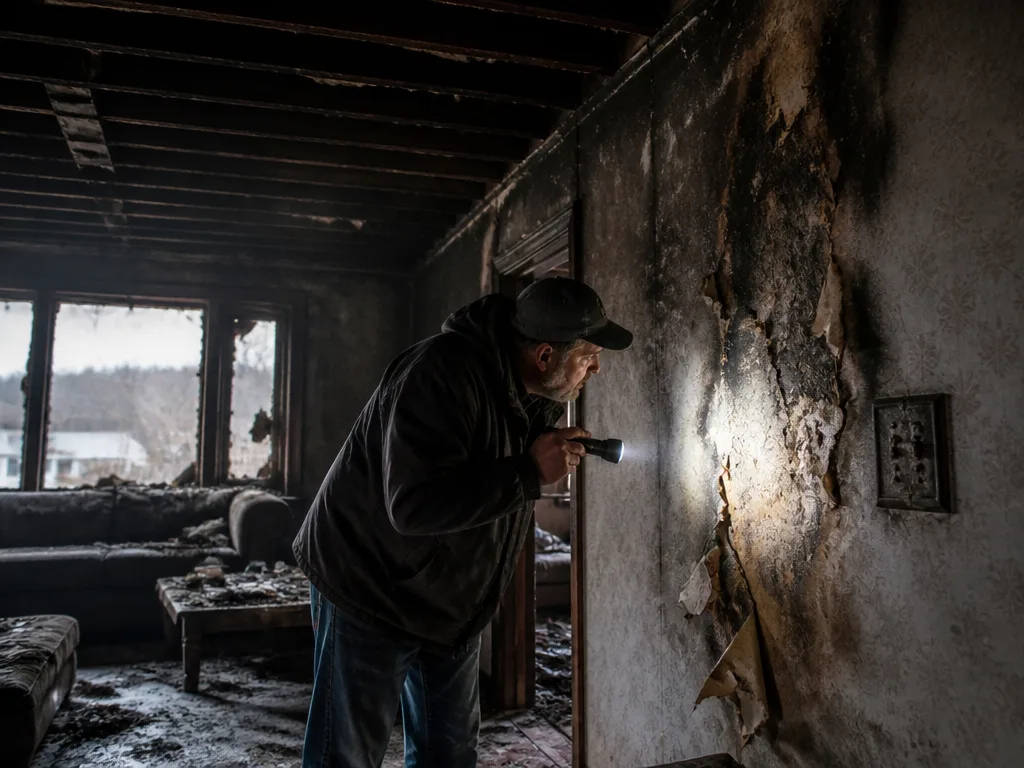
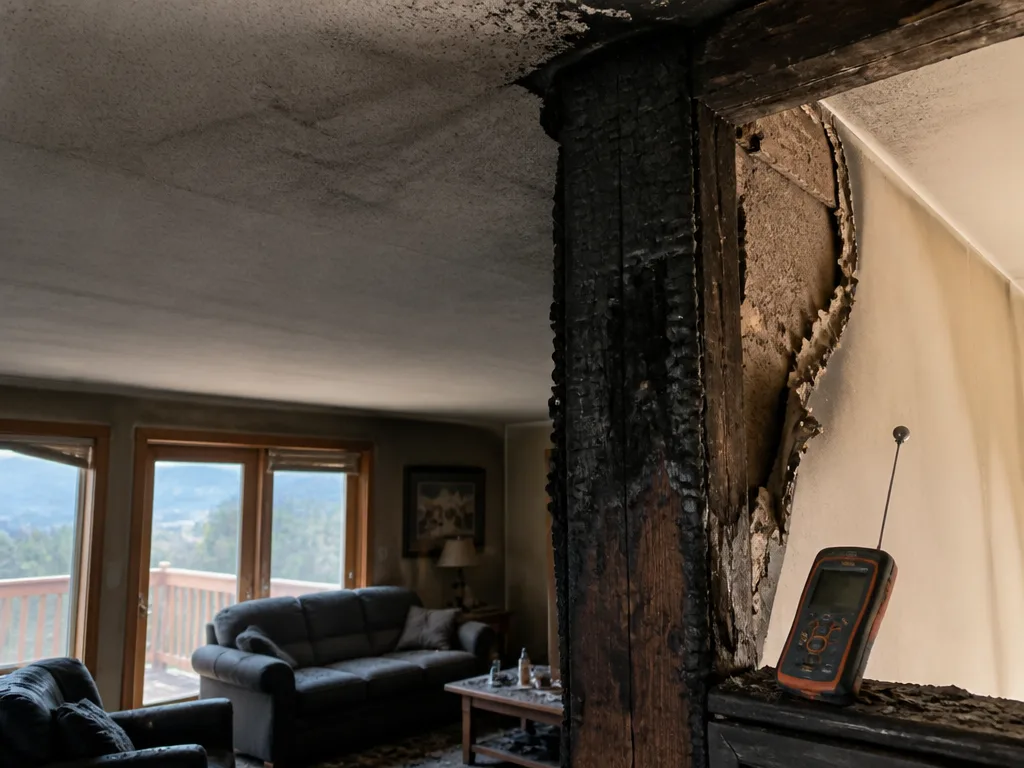
During colder seasons, power outages can lead to alternative heating methods. Have a plan for safe operation of generators and never run them indoors. If a fire occurs, rapid action from the fire & smoke damage specialists helps limit the spread of smoke and soot into insulation and hidden cavities across the state.
Ventilation strategies matter too. When the weather allows, light, controlled air exchange reduces indoor odors without pulling soot deeper into the home. Weather patterns in West Virginia can vary, so adapt ventilation to your climate and season.
Spring and summer prevention measures
Spring rains and humidity can drive moisture into walls and basements. Inspect seals around doors and windows and address any drafts that could carry smoke odors to other parts of the house after a fire event. If a fire occurred in the prior winter, treat any damp areas as potential hotspots for residue persistence and plan a professional assessment to confirm safety and cleanliness.
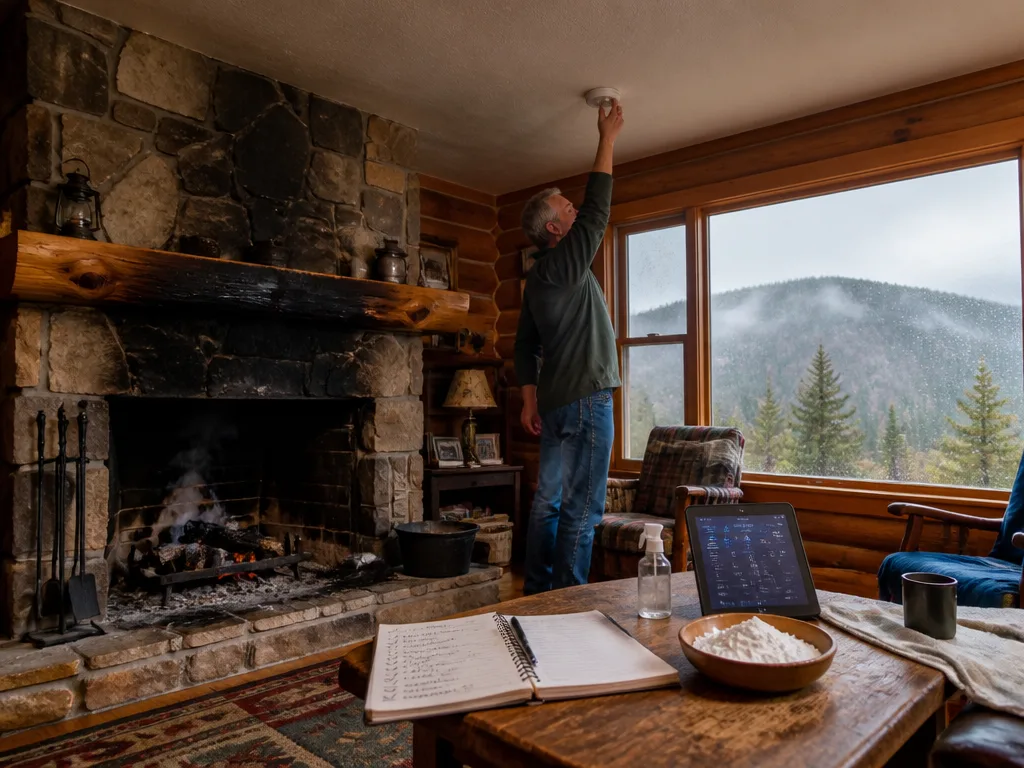
Fire safety planning should include smoke detectors and a quick escalation path. West Virginia crews know the seasonal quirks of the climate, so having a simple documentation routine helps. When in doubt about odors or staining, call a fire & smoke damage specialist for a quick consult. A proactive approach saves time and money in the long run.
Maintenance habits that pay off
Maintain clear access to electrical panels and heating equipment. A clear space makes inspections easier and reduces the chance odors and residues become widespread after a fire incident. Schedule regular cleanings of attic and crawl space areas when you’re doing seasonal checks, especially in older homes common across West Virginia.
Document changes with photos and notes, especially after any weather events or minor fires. If you notice unusual odors, staining, or moisture after a season, reach out to a fire & smoke damage specialist. A state-wide team like West Virginia Roof Tarping can coordinate a thorough assessment across the state, ensuring you receive consistent standards no matter where you live in West Virginia.