Recognizing the first red flags
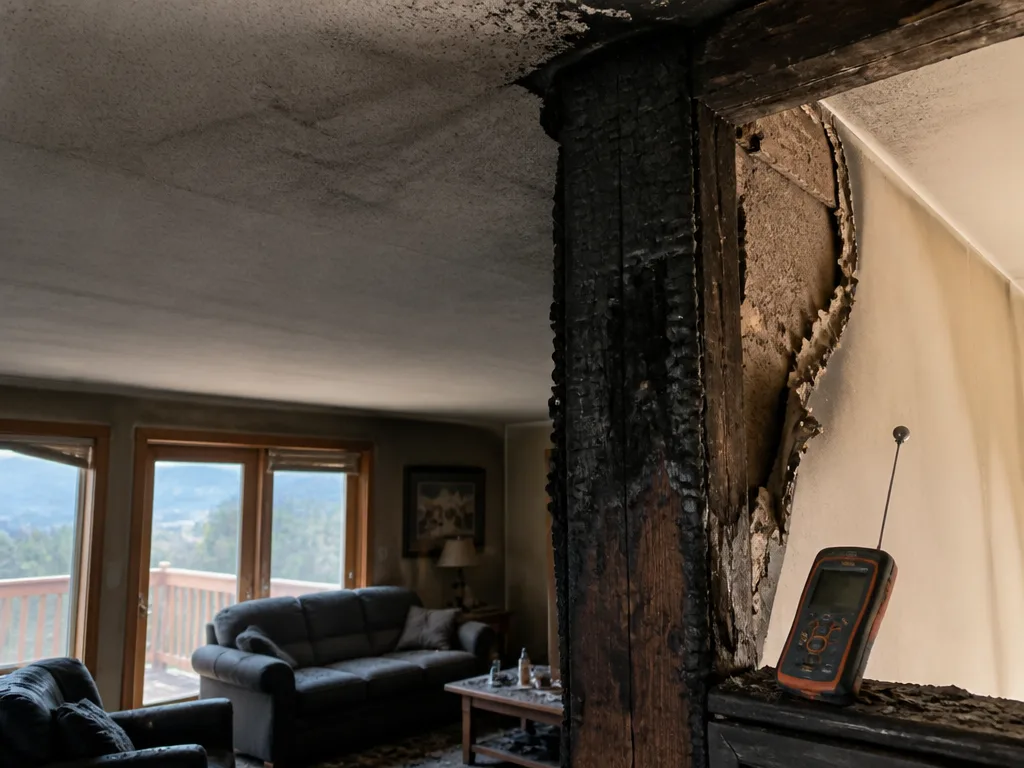
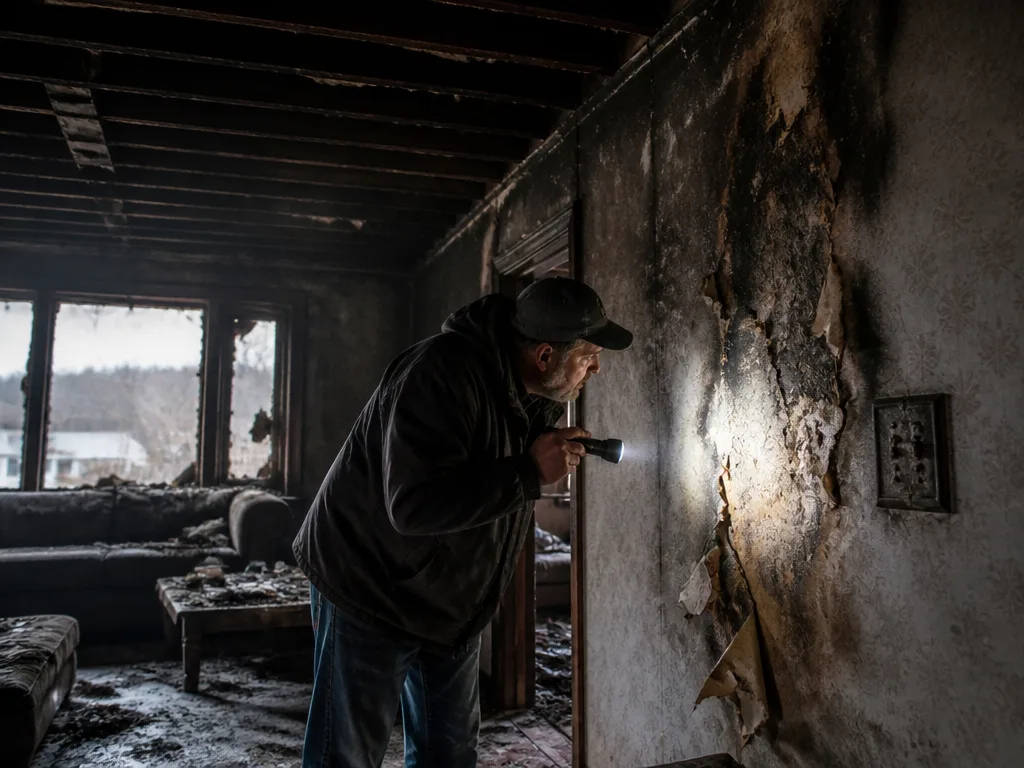
Fire leaves more behind than charred surfaces. In West Virginia homes, smoke can travel and cling to areas you don’t expect. A common warning sign is lingering smoky odor that shifts with humidity or temperature. If the smell lingers months after a fire, it could indicate unseen residues in walls or insulation. Visual cues also matter: discoloration on ceilings, soot in corners, or sticky residues on surfaces. These aren’t just unsightly; they point to ongoing exposure that can affect air quality and structure over time.
Another early indicator is unusual staining on walls or ceilings, especially near electrical outlets or joints. Heat and smoke can drive acidic byproducts into porous materials, accelerating corrosion and material degradation. If you notice darkened patches or powdery deposits, that’s a sign to pause and seek an assessment from fire & smoke damage specialists who understand how Virginia weather can influence smoke spread.
In many West Virginia homes, moisture from firefighting efforts couples with smoke residues to create a grey film on surfaces. This film can trap odors and harbor contaminants. If you wipe a surface and notice a persistent film or it rubs off in powdery black, it’s time to investigate further. These signs don’t always scream for a full rebuild, but they do call for professional evaluation.
Health and comfort indicators
Even if the visible damage seems limited, lingering odors and air quality issues can affect comfort and health. Shortness of breath, headaches, or irritated eyes after a fire may point to volatile organic compounds released from residues. West Virginia’s climate can intensify these effects in attics or crawl spaces where airflow is restricted. If family members notice ongoing headaches or coughing after a fire event, that’s a red flag worth addressing with a fire & smoke damage specialist.
Keep an eye on humidity and condensation. Fire damage can compromise insulation and reduce the space’s ability to manage moisture. In humid parts of the state, this can create a cycle of dampness that reinforces odors and surface staining. A professional assessment will check for hidden pockets where smoke residues may hide and advise on safe remediation steps.
What to do when you spot signs
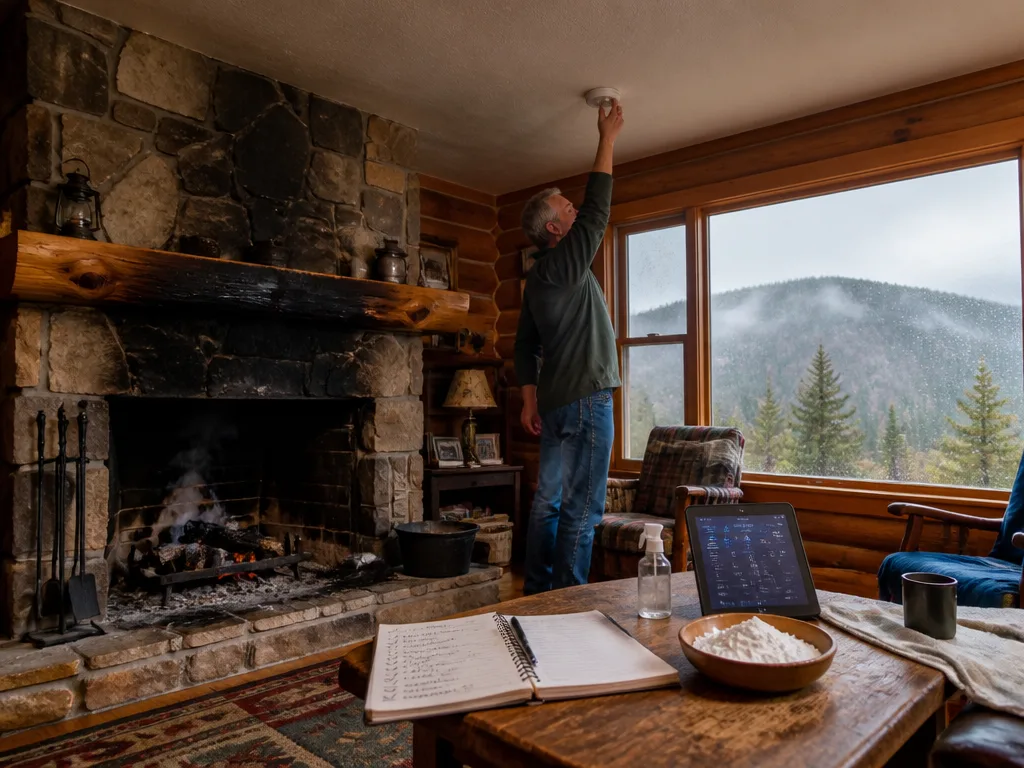
Document conditions with photos and notes. Schedule a rapid assessment from West Virginia Roof Tarping to understand the scope. A transparent inspection should cover surfaces, ventilation paths, and any signs of moisture intrusion. The goal is to map where smoke residues exist and how they could affect indoor air quality over time.
Choose a path that prioritizes safety and clarity. A fire & smoke damage specialist will explain findings in plain language and outline the recommended steps. In many cases, small remediation steps early on can prevent larger repairs later, especially in parts of West Virginia where weather can complicate ongoing restoration.
Key takeaway
Watch for persistent odors, unseen staining, and moisture-related changes after a fire. Early professional input helps protect your home across West Virginia and keeps indoor air safer for your family.